Visiting Clearwater Marine Aquarium: Your guide
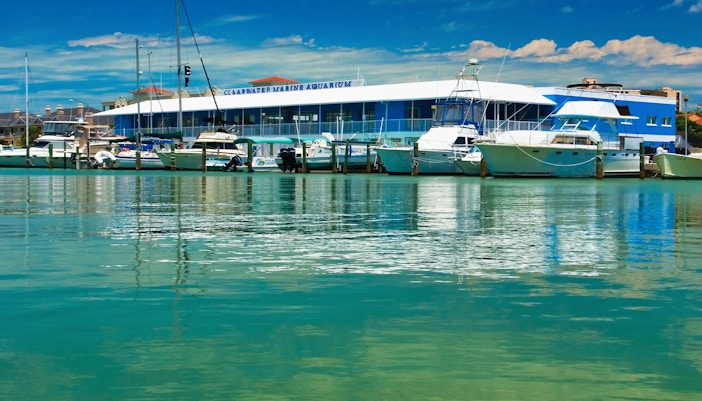
Clearwater Marine Aquarium is a rescue-focused aquarium best known for its rehabilitated dolphins, sea turtles, stingrays, and working animal-hospital mission. The visit is easier than a giant city aquarium, but it is more schedule-driven than many expect because keeper talks and feeding sessions add much of the value. Crowds build fastest around the dolphin complex and parking garage, not across the whole building. This guide helps you time your entry, plan your route, and book the right ticket.
Quick overview
This is a compact, family-friendly visit, but a better plan makes a noticeable difference.
- When to visit: Daily; hours vary by date and season. Tuesday–Thursday right after opening is noticeably calmer than weekend afternoons, and the dolphin complex plus parking garage are the first areas to feel crowded.
- Getting in: From $41.95 for adults, Headout currently lists standard Clearwater Marine Aquarium Tickets rather than a guided or fast-track option, so advance booking matters most during spring break, summer weekends, and holidays.
- How long to allow: 2–3 hours for most visitors. Keeper talks, stingray feeding, and extra time at the underwater dolphin windows push it toward the longer end.
- What most people miss: The sea turtle rehab spaces and BayCare Kids Check-Up exhibit are easy to skip if you move straight from the dolphins to Stingray Beach.
Jump to what you need
Where and when to go
How much time do you need?
| Visit type | Route | Duration | Walking distance | What you get |
|---|---|---|---|---|
Highlights only | Dolphin complex → underwater windows → sea turtles → exit | 1.5–2 hrs | ~1 km | Covers the main dolphin and turtle highlights, but you will likely skip talks, feeding sessions, and the family zone. |
Balanced visit | Dolphin complex → underwater windows → sea turtles → harbor seals → Stingray Beach | 2–2.5 hrs | ~1.5 km | Adds the main outdoor habitats and gives you enough time to pause without rushing every stop. |
Full exploration | Dolphin complex → underwater windows → sea turtles → harbor seals → Stingray Beach → BayCare Kids Check-Up + keeper talks | 3+ hrs | ~2 km | Lets you follow the daily schedule, stay longer at the underwater windows, and include the areas most visitors skip, but only if you pace the visit well. |
How do you get around Clearwater Marine Aquarium?
Which animals and habitats should you prioritize?
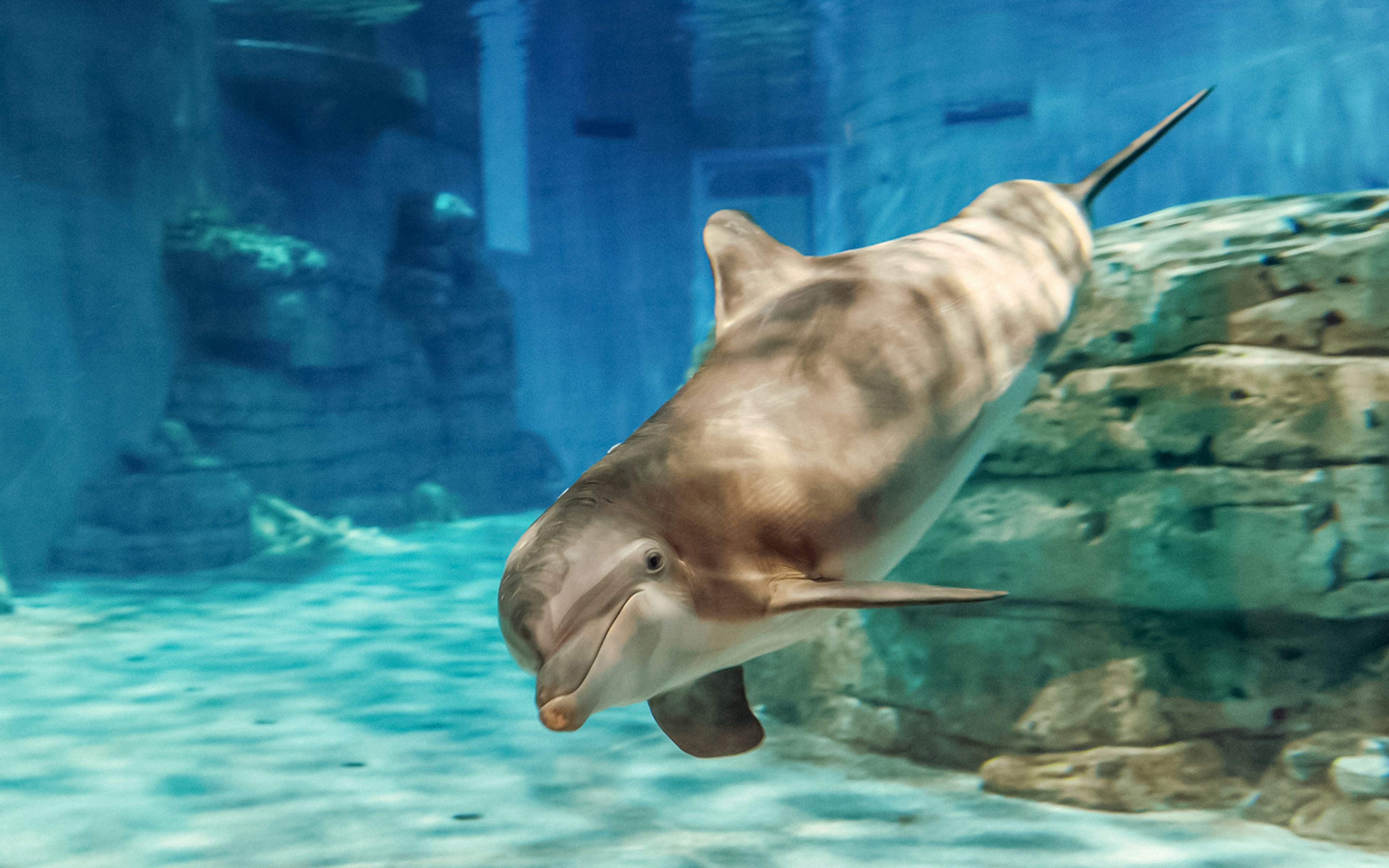
Ruth & J.O. Stone Dolphin Complex
Species: Atlantic bottlenose dolphins
This is the heart of the visit and the biggest reason most people come. The rescued dolphins here have individual care stories, and the multi-pool habitat is much better viewed slowly than rushed between windows. What many visitors miss is that the best dolphin viewing isn’t always at the first glass panel they reach — keep moving to compare angles and behavior.
Where to find it: Start here on the main dolphin level near Dolphin Terrace and the large viewing windows.
Window of Wonder
Habitat feature: Underwater dolphin viewing
This is where the dolphin complex really pays off, because you get a quieter, longer look at how the dolphins move underwater instead of only seeing them surface from the terrace. Many visitors watch for 2 minutes, take a photo, and move on too quickly. Stay a little longer and you’ll usually catch more natural swimming patterns than during the busiest terrace moments.
Where to find it: Inside the dolphin complex along the main underwater viewing area.
Stingray Beach
Species: Cownose stingrays
This shallow, open-air habitat is one of the most interactive parts of the aquarium, especially if you time your visit with a feeding talk. It’s worth slowing down here because staff usually explain how to approach the rays properly, which makes the interaction better than a quick touch-and-go stop. Most people miss that the keeper talk is what turns this from a photo stop into a real encounter.
Where to find it: In the outdoor touch-pool zone beyond the main exhibit route.
Harbor seal habitat
Species: Harbor seals
The rescued harbor seals are easy to overlook if you’re visiting mainly for dolphins, but this habitat gives you a very different marine-mammal experience. Their size and movement stand out more once you’ve paused long enough to watch them haul out, dive, and circle. What visitors often miss is that seal feeding or talk times add much more context than the habitat alone.
Where to find it: In the outdoor animal habitat section along the main public route.
Turtle Cove and Turtle Bayou
Species: Rehabilitated sea turtles
These habitats matter because they show the rescue side of CMA better than almost any other part of the building. The rescue stories make the experience richer, and the turtles often reward patient viewing more than quick pass-throughs. Most visitors miss how many individual animals are here because they don’t stop to read the rescue panels.
Where to find it: Follow the route down from the dolphin areas into the sea turtle rehab section.
BayCare Kids Check-Up
Type: Interactive family exhibit
This isn’t an animal habitat, but it’s worth prioritizing if you’re visiting with children because it connects marine-animal care to hands-on play in a way younger visitors actually remember. It’s also a useful reset point after the outdoor habitats. Most adults walk past it thinking it’s just a kids’ corner, but it’s one of the better family pacing tools in the whole building.
Where to find it: Inside the Mangrove Key Kids Zone.
Facilities and accessibility
- 🎟️ Ticketing: The main check-in area is at the Level 3 entrance, which is also where you’ll pick up the day’s map and talk schedule.
- 🚻 Restrooms: Restrooms are available inside the main facility, so you don’t need to leave the aquarium mid-visit for a basic stop.
- 🍽️ Cafés: Dolphin Terrace Cantina and Shark Bites Café cover quick snacks and casual meals, and they work best as convenience stops rather than destination dining.
- 🛍️ Gift shop/merchandise: The main gift shop near the exit focuses on CMA-branded items and Winter-related souvenirs, so save it for last if you’re price-sensitive.
- 🪑 Seating/rest areas: The easiest places to pause are around Dolphin Terrace and the outdoor habitat zones, where you can sit briefly without breaking the route.
- 🅿️ Parking: The attached garage is third-party managed, costs around $15 flat, and is the first part of the visit to feel stressed on busy days.
- ♿ Mobility: The public route is built across multiple levels with ramps, and the attached garage connects you directly to the Level 3 entrance, though outdoor viewing spaces can still feel tight when crowds bunch up.
- 👁️ Visual impairments: Keeper talks add spoken context that helps more than signage alone, so pick up the day’s schedule at entry and plan your route around those sessions.
- 🧠 Cognitive and sensory needs: Weekday mornings are the calmest window, while Dolphin Terrace, stingray feeding times, and holiday afternoons are the loudest and most stimulating parts of the visit.
- 👨👩👧 Families and strollers: The route is manageable for most stroller users, but movement slows around the large dolphin windows and touch pools, so start with those areas before late morning.
This is a strong fit for toddlers through preteens because the visit is short, interactive, and built around animals with clear rescue stories.
- 🕐 Time: 2–3 hours is realistic with young children, and dolphins, stingrays, and sea turtles are the smartest priorities if attention starts to dip.
- 🏠 Facilities: BayCare Kids Check-Up and the Mangrove Key family area give younger kids an indoor reset between outdoor habitats.
- 💡 Engagement: Turn the rescue signs into a mini scavenger hunt by asking your child which animal was rescued, what happened, and where it lives now.
- 🎒 Logistics: Bring sunscreen and a small bag, skip bulky beach gear, and aim for opening time if you want easier parking and more space at the windows.
- 📍 After your visit: Clearwater Beach is the easiest family add-on if you want sand, snacks, and room to run afterward.
Rules and restrictions
Practical tips
- Booking and arrival: Book your dated tickets before you go on spring-break weeks, summer weekends, and holiday mornings; even when walk-up entry is still available, late arrivals lose the calmest parking and dolphin-viewing window.
- Pacing: Start with the dolphin complex, then move to turtles and seals, and finish at Stingray Beach; most people linger longest at the first windows they see and rush the rest of the route.
- Crowd management: Tuesday–Thursday right after opening is the sweet spot here because the garage is easier, the dolphin terrace is clearer, and the touch areas haven’t started to queue up yet.
- What to bring or leave behind: Bring sunscreen and a small bag, and leave bulky beach gear in the car; the building is compact, but the ramps and outdoor decks feel longer when you’re carrying too much.
- Food and drink: Eat before you arrive if you want to keep the visit inside 2–3 hours; Dolphin Terrace Cantina and Shark Bites Café are useful, but stopping mid-route can make you miss the next talk or feeding session.
What else is worth visiting nearby?
Eat, shop and stay near Clearwater Marine Aquarium
- On-site: Dolphin Terrace Cantina and Shark Bites Café handle quick snacks and casual meals, and they’re best treated as convenience stops rather than a reason to linger.
- Better options nearby: Not applicable.
- 💡 Pro tip: Eat before you arrive if you want the most efficient aquarium visit, because a lunch stop can easily make you miss the next dolphin or turtle talk.
- CMA gift shop: CMA-branded apparel, plush toys, rescue-themed souvenirs, and Winter-related merchandise near the exit; save it for the end if you’re watching your budget.
Island Estates is convenient if you’re pairing the aquarium with Clearwater Beach and want a quieter waterside base, but it’s not automatically the best choice for a broader Tampa Bay trip. You stay here for easy beach-and-aquarium logistics, not for nightlife or the widest dining range.
- Price point: The area skews mid-range to upscale resort and condo-style stays, especially compared with more flexible options farther inland.
- Best for: Short Clearwater stays where you want minimal travel time between the aquarium, the beach, and evening plans.
- Consider instead: Clearwater Beach for more walkable dining and sunset energy, or downtown Clearwater if you want easier regional connections and a less resort-focused base.
Frequently asked questions about visiting Clearwater Marine Aquarium
Most visits take 2–3 hours. That’s enough time for the dolphin complex, sea turtles, Stingray Beach, harbor seals, and at least one or two keeper talks. If you’re visiting with children, stopping for food, or spending extra time at the underwater windows, you’ll be closer to 3 hours than 2.
Yes, it’s smart to book in advance for weekends, holidays, spring break, and summer dates. Same-day walk-up entry can still be available, but booking removes one more variable and helps you reach the dolphin areas before the busiest part of the day. It also visits feel smoother if parking is already getting tight.
Aim to arrive 15–30 minutes early. That gives you time to deal with the parking garage, reach the Level 3 entrance, and pick up the day’s schedule without starting the visit already behind. On quieter weekdays you may move faster, but holiday mornings and school-break dates need more cushion.
Yes, a small bag is the easiest option for this visit. The route includes ramps, outdoor decks, and crowded viewing areas, so bulky beach gear quickly becomes annoying even though the aquarium itself is compact. If you’re coming from the beach, it’s worth leaving anything nonessential in the car.
Yes, personal photos are a normal part of the visit in the public exhibit areas. Just follow any posted restrictions in animal-care or rehab spaces, and expect flash or bulky photo equipment to be limited where it could disturb animals or block narrow viewing areas. The best natural-light shots are usually at the outdoor habitats and dolphin windows.
Yes, groups can visit, but it works best if you plan around the day’s talk schedule rather than treating it like a fully open, free-flow attraction. The building is manageable for groups, but the dolphin complex and Stingray Beach get congested first. Larger parties should arrive early and agree on a route before entering.
Yes, it’s one of the better family attractions in Clearwater because the visit is short, interactive, and easy to understand. Children usually do best with the dolphins, stingrays, sea turtles, and BayCare Kids Check-Up exhibit. It’s especially useful if you want a half-day activity rather than a full-day park commitment.
Yes, the public route is generally accessible, with a multi-level layout connected by ramps and a Level 3 entrance from the garage. The main limitations are crowd-related rather than route-related, especially around Dolphin Terrace and the touch areas. Weekday mornings give you the easiest movement and the clearest viewing space.
Yes, food is available on-site at Dolphin Terrace Cantina and Shark Bites Café. They’re convenient for a quick meal or snack, but they make the most sense as a mid-visit fallback rather than a planned dining stop. If you want the cleanest 2–3-hour visit, eating before you arrive is usually the better move.
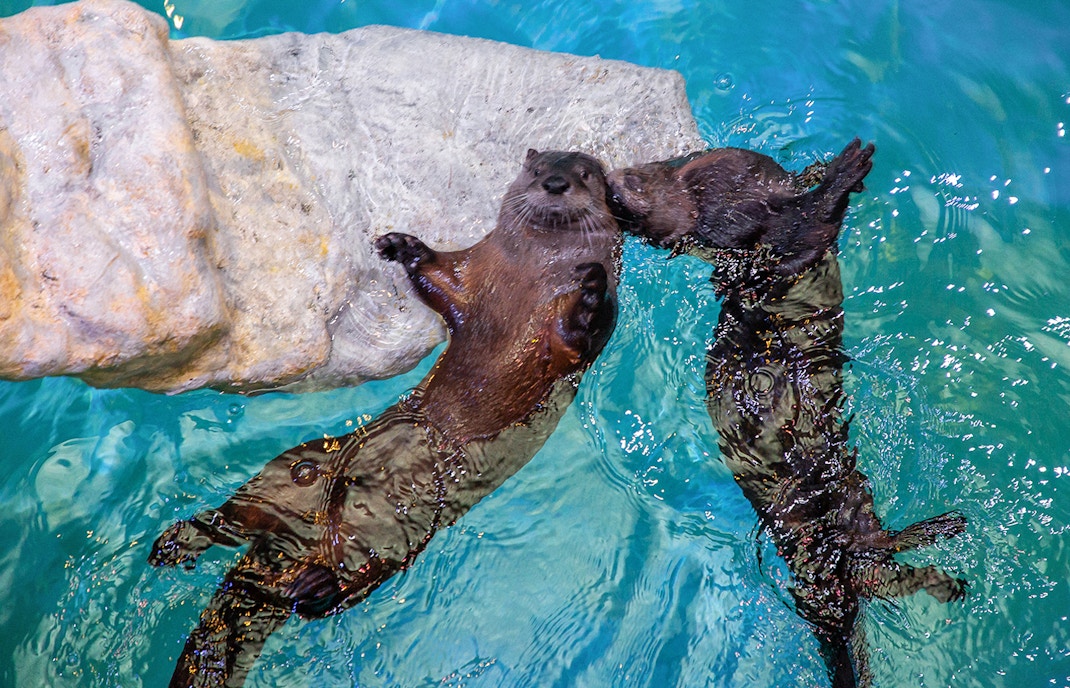
You can usually see rescued bottlenose dolphins, sea turtles, stingrays, harbor seals, river otters, sharks, and other coastal marine life. The exact animal-care focus can shift because CMA is a working rescue and rehabilitation center, which is part of what makes it different from a traditional aquarium. The dolphins and sea turtles are the clearest priorities for most visitors.
Parking is around $15 per vehicle in the attached third-party garage. That fee is separate from aquarium admission and isn’t validated, which catches some visitors off guard. If you want the easiest parking experience, arrive at opening or use the Jolley Trolley if you’re already staying near Clearwater Beach.